
-
Foundation Cracks: When to Repair vs When to Worry
Foundation Cracks: When to Worry and How to Fix Them
Foundation cracks draw attention quickly because they reveal how a home responds to changing soil conditions, moisture, and loads. Some cracks remain stable for years and require only simple repairs to prevent future widening. Others shift in a way that calls for a closer look from trainer professionals. Triad Basement Waterproofing guides homeowners through these situations with clear, dependable insight rooted in decades of experience. We help residents in Gaithersburg, MD, understand when to worry about foundation cracks and when a straightforward fix restores the structure’s strength. Our team carefully evaluates each crack, explains its meaning, and recommends solutions that protect the foundation and keep the home steady in the long run.
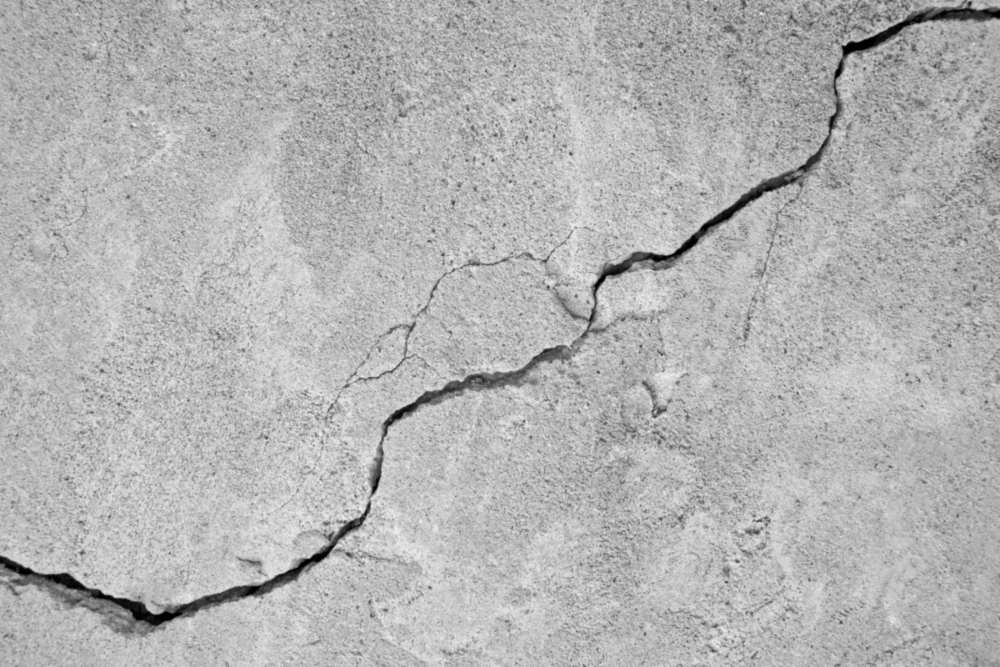
Why Foundation Cracks Happen
Foundation cracks form as a home reacts to pressure, soil changes, and moisture shifts over time. Each crack develops for a specific reason, and the pattern often reveals what is happening beneath the structure. Many homeowners first notice foundation slab cracks when the seasons change or when the soil begins to dry out or swell. A clear understanding of the cause helps determine the right repair method and protects the foundation from future stress. The factors below show the most common reasons these cracks appear and how they develop:
- Soil Movement Places Uneven Pressure on the Foundation – Expanding soil adds force against the slab or walls and creates hairline openings. Contracting soil reduces support and encourages cracking as the foundation settles into new gaps.
- Moisture Changes Affect the Strength of the Foundation – Water increases pressure against concrete and forces small breaks to spread. Dry conditions shrink the soil, causing shifts that open new cracks.
- Improper Drainage Allows Water to Collect Around the Structure – Standing water stresses concrete and raises the chance of separations in the slab. A home stays steadier when gutters, downspouts, and grading move water away.
- Natural Setting Occurs During the Early Years of the Home – Minor cracking happens while the structure adjusts to its full load on the soil. These cracks still require evaluation to determine whether they are due to settling or to structural issues.
When Should You Worry About Foundation Cracks
Cracks deserve attention when they grow, shift, or change how the structure carries weight. Some cracks stay stable, but others indicate movement that needs prompt repair to protect the home. Patterns, depth, and direction all reveal how a series of cracks may be. Larger openings, widening lines, and cracks that reach corners or joints call for skilled evaluation. Homeowners often look for guidance on corner pops repair, stair-step patterns, or cracks that suddenly appear. Below shows the most common signs that a crack needs professional support:
- A Crack Widening Over Time – Growth shows that the foundation is shifting and needs a closer look to prevent further movement. A professional inspection confirms whether the change is structural or caused by soil conditions.
- A Crack Forms a Stair-Step in Masonry – This shape points to uneven settling that affects the stability of the wall. The pattern needs to be evaluated to determine how much movement has occurred.
- A Crack Appears Near Corners or Edges of the Slab – These areas require attention because cracks can extend quickly as pressure builds, which often leads homeowners to seek corner pops repair. A timely repair prevents the issue from spreading into other parts of the foundation.
- A Crack Allows Moisture Into the Basement or Crawl Space – Water entry shows that the crack reaches through the wall and affects the strength of the structure. Moisture also raises interior humidity and increases stress on the foundation.
Can Foundation Cracks Get Worse Over Time?
Your foundation changes as the home continues to settle, shift, and respond to soil conditions. Many cracks remain small, yet the forces around the structure can add stress to those openings over time. Temperature changes, moisture levels, and soil pressure all influence how a crack behaves. A steady increase in width or length shows that movement is active and needs careful attention. Regular monitoring makes it easier to spot changes early, and timely repair keeps the foundation strong. A stable home depends on recognizing these signs before the structure experiences greater strain.
How to Fix Foundation Cracks
Fixing foundation cracks requires methods that match the size, location, and cause of the problem. Some cracks respond well to straightforward sealing, while others need structural reinforcement to restore strength. The right solution depends on how much movement the foundation has experienced and whether moisture is entering through the opening. Each repair aims to stabilize the area, prevent future spreading, and keep the structure supported. The points below outline reliable ways professionals restore damaged foundation areas:
- Injecting Epoxy or Polyurethane Fills and Seals the Crack – These materials bond to the concrete and help stop moisture from entering through the opening. The repair also reinforces the area, keeping the crack stable.
- Adding Carbon Fiber Strips Strengthens Weakened Walls – These strips anchor directly to the concrete and help control further movement. The method works well for cracks caused by pressure pushing against the wall.
- Improved Drainage Around the Home Reduces Stress on the Foundation – Correcting grading and directing water away prevents soil from expanding against the structure. Less pressure helps keep repaired cracks from opening again.
- Installing Interior Systems Controls Water Near the Base of the Wall – Sump dumps, drainage channels, and moisture barriers manage groundwater before it reaches the foundation. A dry environment supports long-term stability for repaired areas.
Protect Your Property With Triad Basement Waterproofing
Clear guidance helps homeowners decide when to worry about foundation cracks and when a focused repair restores strength. Triad Basement Waterproofing brings three decades of field experience, licensed and insured crews, and proven waterproofing and structural solutions. Free inspections and no-pressure estimates make the next steps simple and transparent. Call today to schedule an evaluation or request an appointment online. Our team will assess the crack patterns, explain options, and deliver a cost-effective plan that keeps your basement dry and your foundation supported.
-
How to Control Basement Humidity Year-Round
Learn How to Correct Your Basement Humidity in Gaithersburg, MD
Controlling moisture in a basement requires steady attention year-round, because temperature shifts and daily living habits can rapidly change indoor conditions. Humidity swings create an environment that works against a healthy home, so keeping levels stable protects stored belongings and supports the structure’s strength. Triad Basement Waterproofing provides long-term moisture solutions that keep homes in Gaithersburg, MD at the correct basement humidity throughout the year. Our team focuses on practical steps to regulate moisture, improve drainage, and support overall stability. Clear guidance, proven systems, and professional insight help homeowners maintain a space that stays dry, dependable, and ready for everyday use.
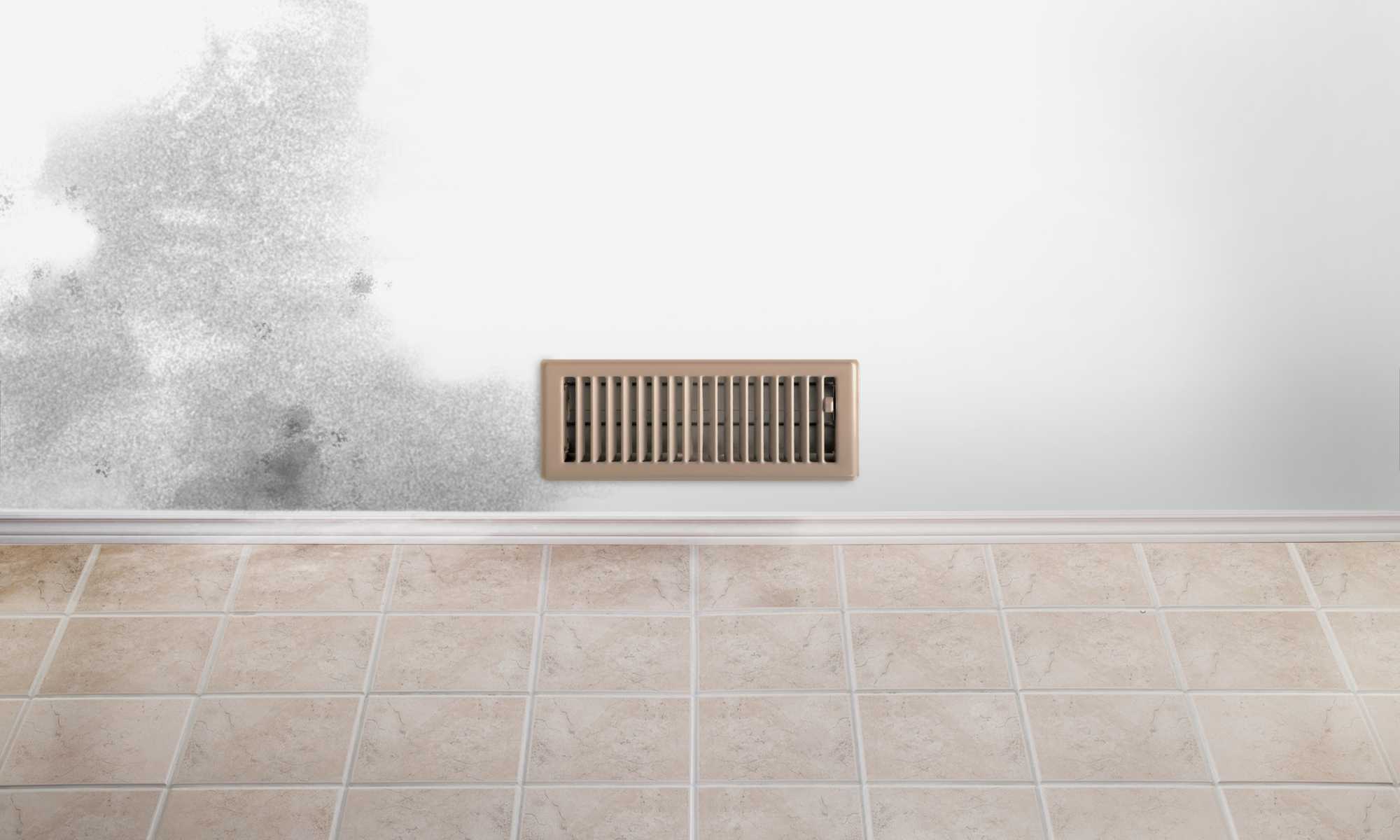
How to Control Basement Humidity Year-Round
Keeping your basement dry requires a consistent strategy that changes with the seasons. High humidity often leads to musty odors and moisture damage to your walls or floors. Maintaining the optimum humidity level for basement areas keeps your foundation sturdy and your air fresh. The steps below explain how to control basement humidity year-round with simple daily habits and well-chosen equipment. These steps give your basement the support it needs to stay balanced and ready for everyday use:
- Properly Set-Up Your Dehumidifier – Keep the level between 45-50% to support stable moisture control and run the unit in auto mode for consistent operation. Use a drain line or a pump so the system continues to work without frequent emptying.
- Improved Controlled Ventilation – Use mechanical fans that provide balanced airflow to refresh the space without drawing in damp outdoor air. Avoid opening basement windows during humid weather to prevent new moisture from entering.
- Seal Gaps and Openings – Seal rim joists, sill plates, and small wall penetrations to reduce the flow of moist outside air. Add weatherstripping to basement doors for stronger protection.
- Strength Exterior Drainage – Extended downspouts at least 6-10 feet away from the foundation to direct water away from the home. Keep gutters clean so that heavy rain flows freely rather than pooling near the walls.
- Maintain the Sump Pump – Test monthly to confirm the float and motor work as designed. Clear debris from the path to keep water moving during storms.
- Use Proper Insulation and Vapor Control – Insulate cold pipes to prevent condensation during warm months. Install suitable wall insulation with a smart vapor retarder to manage seasonal moisture changes.
- Monitor Humidity With Accurate Instruments – Place a digital hygrometer in central and corner locations, then review readings weekly. Track patterns that show when equipment needs small adjustments.
- Direct Appliance and Fixtures Correctly – Vent dryers outdoors and repair plumbing leaks to stop hidden moisture sources. Use exhaust fans after showers or cooking in the basement to quickly remove damp air.
Understanding Basement Humidity
Understanding how humidity forms in a basement helps homeowners create a stable and healthy environment. Moisture enters through the air, foundation walls, concrete floors, and everyday activities inside the home. Temperature shifts change how much water vapor the air can hold, which affects comfort and the durability of stored items. Some materials, such as unfinished wood or cardboard, absorb moisture in basement spaces, further raising humidity. Consistent monitoring helps track these changes so small issues don’t grow into larger concerns. A clear plan that manages airflow, drainage, and equipment settings keeps the area steady through every season.
Common Causes of Damp Basements
Moisture builds in a basement when water finds a path through soil, walls, air movement, or interior sources. Each factor affects conditions differently, but all can raise humidity and strain the structure over time. A clear understanding of these causes helps homeowners maintain the correct basement humidity and prevent issues from growing. Careful monitoring makes it easier to identify patterns during storms, seasonal changes, or daily use. The list below outlines frequent sources of dampness and shows how each one contributes to rising moisture:
- Poor Exterior Drainage – Water that collects near the foundation increases soil saturation and creates pressure on basement walls. Heavy runoff that has no defined path often seeps through small openings in concrete.
- Clogged or Misdirected Gutters – Gutters that overflow send water down exterior walls, which increases the amount of moisture reaching the foundation. Downspouts that discharge too close to the home add even more water to the area.
- Hydrostatic Pressure – Saturated soil pushes against the foundation and forces water through cracks or porous concrete. This pressure rises after long periods of rain or melting snow.
- Unsealed Wall or Floor Cracks – Even small fractures let moisture pass into the basement during wet weather. Concrete expands and contracts through the year, which can widen these entry points.
- High Indoor Humidity – Hot showers, laundry, and cooking in lower-level spaces all release moisture into the area. Without proper ventilation, humidity rises quickly and settles into surfaces.
- Improper Grading Around the Home – Soil that slopes toward the foundation channels water directly into the basement walls. Regrading helps water flow away from the structure rather than pooling near it.
How to Identify Basement Moisture Sources
Identifying moisture sources in a basement starts with observing patterns that show where water enters or collects. Marks on walls, damp flooring, and musty odors point to areas that need closer inspection. Testing walls with simple moisture meters helps confirm whether the issue comes from the outside or from indoor humidity. Checking gutters, downspouts, and grading reveals whether exterior drainage contributes to rising moisture. Running a dehumidifier for a short period can show how quickly humidity rises, helping determine whether airflow or equipment adjustments are needed. Careful review of these details helps guide stronger, long-term solutions.
The Role of Condensation
Condensation plays a major part in raising basement humidity because cooler surfaces attract moisture from warm air. Water droplets form on pipes, concrete walls, windows, and uninsulated ducts when temperatures shift. These droplets collect and create damp conditions that spread across nearby surfaces. Condensation often increases during summer, when outdoor air carries more moisture, making basements feel heavy and uncomfortable. Insulating cold pipes and improving controlled ventilation help reduce these reactions. A dehumidifier also keeps the air stable, so moisture has fewer opportunities to settle.
Effects of Poor Ventilation
Poor ventilation worsens basement conditions by allowing moisture to accumulate without a clear path to escape. Stale settles in corners and along walls, raising humidity and creating a heavy, lingering atmosphere throughout the space. Warm, moist air from upper levels also becomes trapped when airflow is limited. This increases the chance of condensation on pipes, floors, and windows. Appliances that release moisture, such as dryers or washing machines, add even more dampness when the air cannot circulate. A balanced ventilation plan keeps the basement more stable by moving humid air out and bringing in controlled air.
Reach Out to Our Professionals Today
Keeping a basement steady and comfortable year-round starts with reliable moisture control and robust protective systems. Triad Basement Waterproofing sets clear targets, installs dependable solutions, and verifies performance so your basement maintains the correct basement humidity day after day. Our licensed and insured team evaluates drainage, sealing, and equipment settings to create a plan that fits your home and budget. Free inspections and written warranties bring confidence to every project. Schedule your visit today and secure lasting protection, steady comfort, and proven results for your Gaithersburg home.
Basement Humidity FAQs
Why Is Basement Humidity Control Important Throughout the Year?
Basement humidity control protects stored items, supports structural strength, and keeps the space comfortable for daily use. Stable moisture levels also help prevent conditions that lead to dampness and unpleasant odors.Can a Dehumidifier Solve All Basement Humidity Issues?
A dehumidifier helps manage indoor moisture, but it cannot correct structural or groundwater problems on its own. Strong results come from combining a dehumidifier with proper drainage, sealing, and ventilation.What Signs Show That My Basement Has a Humidity Issue?
Common signs include damp floors, condensation on pipes or windows, musty odors, and heavy, lingering air in lower-level spaces. Tracking humidity with a digital hygrometer helps confirm the severity of the issue.Does Poor Ventilation Increase Basement Humidity?
Poor ventilation traps warm, moist air, preventing it from escaping. This raises humidity and increases the chance of condensation forming on cool surfaces. -
Early Warning Signs of Basement Leaks & Moisture
Discover Early Warning Signs of Basement Leaks in Gaithersburg, MD
Homeowners often notice subtle changes in their basements before a major issue arises. You might spot tiny beads of water on the walls or smell a faint, earthy scent in the air. These signs point to the need for professional inspections to keep your foundation strong and dry. Triad Basement Waterproofing identifies and fixes basement leaks for every neighbor in Gaithersburg, MD. Keeping an eye on these details ensures your home stays a healthy place for your family. Catching these changes early saves time and helps maintain the value of your property. Our team brings years of local experience to help you protect your biggest investment with confidence and ease.
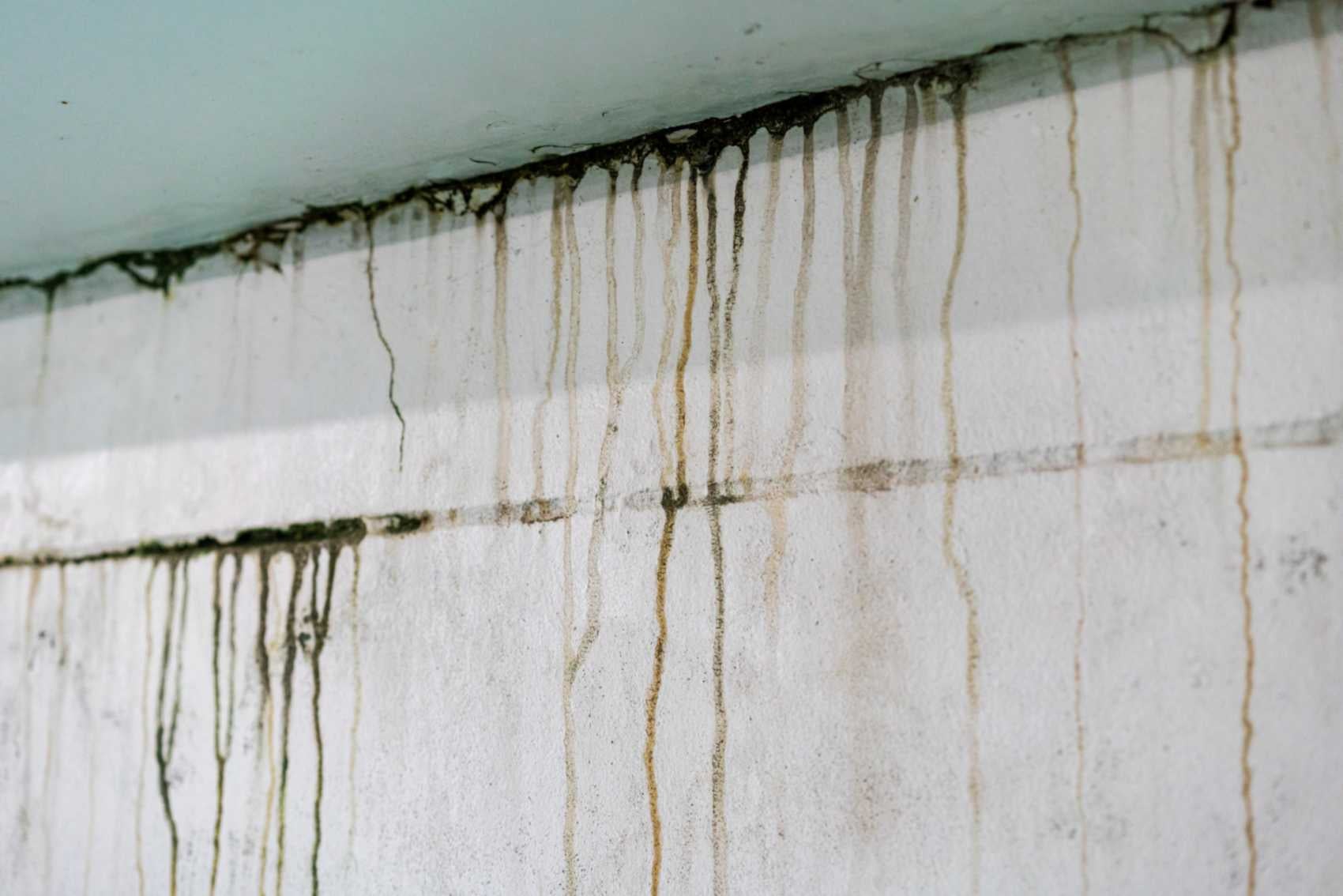
How to Spot the Early Signs of Basement Moisture
Moisture leaves clear indicators long before water becomes visible, and spotting these early clues protects the home’s structure. Efflorescence forming on block walls, slight discoloration on concrete, and faint musty odors often signal rising humidity levels or hidden seepage. These basement moisture signs help homeowners act before conditions worsen. A closer look at small changes, especially in corners, around floor cracks, and along lower wall sections, keeps problems manageable and allows targeted waterproofing solutions that strengthen the space and maintain a healthy environment. Here are key ways to identify the earliest signs of basement moisture:
Efflorescence on Surfaces
White, chalk-like residue on block or poured concrete walls often forms after moisture evaporates, leaving mineral deposits behind. This substance usually collects in even patches near seams, floor joints, or wall cracks. Its presence indicates that water has been moving through porous masonry and drying on the surface. Tracking where these deposits form shows where moisture is entering, helping guide repairs before the issues spread to additional areas.
Musty or Damp Odors in Enclosed Areas
A stale or earthy smell is one of the easiest signs of basement moisture to notice. This odor often settles near stored items, behind furniture, and in corners with limited airflow. Even slight changes in smell can point to rising humidity levels or a slow speakeasy behind walls. Persistent damp/musty odors usually come from moisture collecting on wood framing, insulation, or concrete. Monitoring the strength and location of the odor helps pinpoint active moisture sources before the problem grows.
Discoloration or Dark Patches on Floors and Walls
Concrete and masonry often show moisture through subtle color changes, including dull gray spots, faint yellow stains, or darker shading along the lower wall. These areas may expand following rainfall or snowmelt. Discoloration sometimes appears alongside paint bubbling or a soft powdery texture. Watching how these markings change over time helps identify patterns of moisture movement. Early detection encourages faster corrective work and keeps structural materials in strong, dependable condition.
Condensation vs. Leaks: Know the Difference
Moisture in a basement can come from two different sources, and recognizing which one you are dealing with helps guide the right solution. Water forming on cool surfaces often points to basement condensation, while water entering through cracks or seams typically signals a leak. Each issue creates its own patterns, and observing these patterns helps determine the most effective corrective steps. A clear distinction between the two protects structural materials, supports long-term stability, and ensures the right waterproofing methods are applied from the start. Here are the key differences between condensation and leaks:
- Condensation forms on surfaces when warm, humid air meets cool concrete or metal. It often appears as droplets that build slowly over time in areas with limited airflow.
- Leaks introduce water through cracks, wall joints, or floor seams. This moisture generally follows a path and often returns after rainfall or snowmelt.
- Condensation tends to stay on the surface and drives once humidity levels drop. It usually affects windows, pipes, and smooth concrete where temperature changes occur.
- Leaks leave behind stains, efflorescence, or damp patches that spread. These patterns indicate moisture moving through the foundation rather than forming on the surface.
The Importance of a Timely Professional Evaluation
A prompt evaluation protects the home’s structure and prevents moisture from spreading into new areas. Small changes in walls or floors can signal a developing issue that requires immediate attention from trained professionals. A detailed inspection identifies the true source of the moisture and guides the right approach for basement moisture removal. Clear findings, supported by proven methods, help keep the basement dry, stable, and ready for long-term use. Timely service also preserves indoor air quality and supports the home’s overall health.
Protect your Home Before It’s Too Late
Delaying action on early moisture clues can put extra strain on key parts of the home. Small shifts in color, texture, or odor often reveal changes that deserve quick attention from a trained professional. A closer look at developing moisture patterns helps protect the foundation, flooring, and stored belongings. Early reporting also supports stronger long-term performance from any waterproofing system. The following points outline why early detection matters and how timely attention keeps the basement in dependable condition:
- Moisture That Lingers Can Affect Structural Materials – Softening concrete or weakening mortar joints may appear when water continues to collect in the same areas. Prompt identification supports stronger repairs and helps maintain the stability of the entire space.
- Hidden Moisture Can Impact Stored Items and Finished Surfaces – Flooring, wood framing, and personal belongings can show signs of wear when dampness remains in contact for long periods. Early action keeps these materials in better shape and avoids unnecessary replacements.
- Humidity That Goes Unchecked Can Reduce the Comfort of the Home – Warmer months often increase indoor moisture levels, and the basement typically shows these changes first. Addressing the source early helps maintain healthier air throughout the house.
Get In Touch With the Professionals
Small clues add up fast. If you notice damp smells, white powder on walls, dark patches on concrete, or light sweating on pipes, schedule an expert check. Our licensed, bonded, and insured team inspects thoroughly, explains findings, and recommends practical fixes that last. We focus on drainage, sump pump performance, crack repair, and ventilation improvements to address basement moisture signs early. Free, pressure-free estimates make the next step easy. Book your inspection today, and keep your basement clean, dry, and ready for everyday use. Your home deserves proven solutions and courteous service from a local team that stands behind its work.
Basement Leaks & Moisture FAQs
Is Moisture in the Basement Harmful to the Structure of My Home?
Moisture can place stress on foundation walls and floors over time. Persistent dampness may weaken materials and make future repairs more involved if left unaddressed.
Do Small Cracks in My Basement Floor or Walls Always Indicate a Major Leak?
Small cracks do not always signal a major leak, but they can allow moisture to enter. A professional inspection determines whether the crack is structural or simply cosmetic.
Why Should a Professional Check Moisture Issues Instead of Handling Them Myself?
A professional evaluation identifies the actual source of the moisture rather than treating only surface symptoms. This approach prevents recurring problems and ensures the right system is installed.
How Soon Should I Schedule an Inspection After Noticing Moisture?
An inspection should be scheduled as soon as the first signs appear. Early attention prevents moisture from spreading and helps protect the foundation from long-term stress.
What Should I Expect During a Triad Basement Waterproofing Inspection?
A trained waterproofing specialist evaluates the basement, checks moisture patterns, reviews structural concerns, and explains findings in clear, simple terms. Recommendations focus on effective, long-lasting, and cost-efficient solutions.