
How to Control Basement Humidity Year-Round
Learn How to Correct Your Basement Humidity in Gaithersburg, MD
Controlling moisture in a basement requires steady attention year-round, because temperature shifts and daily living habits can rapidly change indoor conditions. Humidity swings create an environment that works against a healthy home, so keeping levels stable protects stored belongings and supports the structure’s strength. Triad Basement Waterproofing provides long-term moisture solutions that keep homes in Gaithersburg, MD at the correct basement humidity throughout the year. Our team focuses on practical steps to regulate moisture, improve drainage, and support overall stability. Clear guidance, proven systems, and professional insight help homeowners maintain a space that stays dry, dependable, and ready for everyday use.
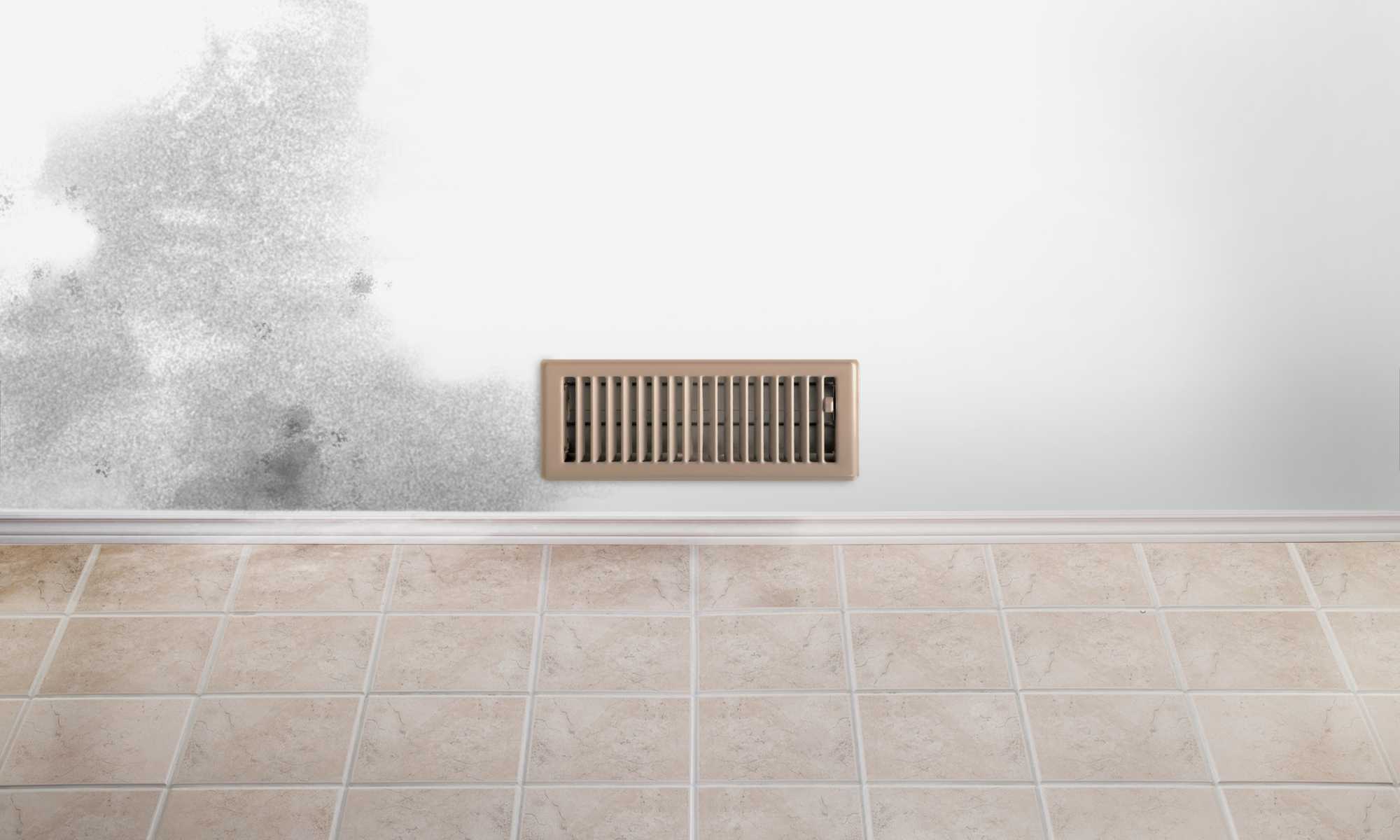
How to Control Basement Humidity Year-Round
Keeping your basement dry requires a consistent strategy that changes with the seasons. High humidity often leads to musty odors and moisture damage to your walls or floors. Maintaining the optimum humidity level for basement areas keeps your foundation sturdy and your air fresh. The steps below explain how to control basement humidity year-round with simple daily habits and well-chosen equipment. These steps give your basement the support it needs to stay balanced and ready for everyday use:
- Properly Set-Up Your Dehumidifier – Keep the level between 45-50% to support stable moisture control and run the unit in auto mode for consistent operation. Use a drain line or a pump so the system continues to work without frequent emptying.
- Improved Controlled Ventilation – Use mechanical fans that provide balanced airflow to refresh the space without drawing in damp outdoor air. Avoid opening basement windows during humid weather to prevent new moisture from entering.
- Seal Gaps and Openings – Seal rim joists, sill plates, and small wall penetrations to reduce the flow of moist outside air. Add weatherstripping to basement doors for stronger protection.
- Strength Exterior Drainage – Extended downspouts at least 6-10 feet away from the foundation to direct water away from the home. Keep gutters clean so that heavy rain flows freely rather than pooling near the walls.
- Maintain the Sump Pump – Test monthly to confirm the float and motor work as designed. Clear debris from the path to keep water moving during storms.
- Use Proper Insulation and Vapor Control – Insulate cold pipes to prevent condensation during warm months. Install suitable wall insulation with a smart vapor retarder to manage seasonal moisture changes.
- Monitor Humidity With Accurate Instruments – Place a digital hygrometer in central and corner locations, then review readings weekly. Track patterns that show when equipment needs small adjustments.
- Direct Appliance and Fixtures Correctly – Vent dryers outdoors and repair plumbing leaks to stop hidden moisture sources. Use exhaust fans after showers or cooking in the basement to quickly remove damp air.
Understanding Basement Humidity
Understanding how humidity forms in a basement helps homeowners create a stable and healthy environment. Moisture enters through the air, foundation walls, concrete floors, and everyday activities inside the home. Temperature shifts change how much water vapor the air can hold, which affects comfort and the durability of stored items. Some materials, such as unfinished wood or cardboard, absorb moisture in basement spaces, further raising humidity. Consistent monitoring helps track these changes so small issues don’t grow into larger concerns. A clear plan that manages airflow, drainage, and equipment settings keeps the area steady through every season.
Common Causes of Damp Basements
Moisture builds in a basement when water finds a path through soil, walls, air movement, or interior sources. Each factor affects conditions differently, but all can raise humidity and strain the structure over time. A clear understanding of these causes helps homeowners maintain the correct basement humidity and prevent issues from growing. Careful monitoring makes it easier to identify patterns during storms, seasonal changes, or daily use. The list below outlines frequent sources of dampness and shows how each one contributes to rising moisture:
- Poor Exterior Drainage – Water that collects near the foundation increases soil saturation and creates pressure on basement walls. Heavy runoff that has no defined path often seeps through small openings in concrete.
- Clogged or Misdirected Gutters – Gutters that overflow send water down exterior walls, which increases the amount of moisture reaching the foundation. Downspouts that discharge too close to the home add even more water to the area.
- Hydrostatic Pressure – Saturated soil pushes against the foundation and forces water through cracks or porous concrete. This pressure rises after long periods of rain or melting snow.
- Unsealed Wall or Floor Cracks – Even small fractures let moisture pass into the basement during wet weather. Concrete expands and contracts through the year, which can widen these entry points.
- High Indoor Humidity – Hot showers, laundry, and cooking in lower-level spaces all release moisture into the area. Without proper ventilation, humidity rises quickly and settles into surfaces.
- Improper Grading Around the Home – Soil that slopes toward the foundation channels water directly into the basement walls. Regrading helps water flow away from the structure rather than pooling near it.
How to Identify Basement Moisture Sources
Identifying moisture sources in a basement starts with observing patterns that show where water enters or collects. Marks on walls, damp flooring, and musty odors point to areas that need closer inspection. Testing walls with simple moisture meters helps confirm whether the issue comes from the outside or from indoor humidity. Checking gutters, downspouts, and grading reveals whether exterior drainage contributes to rising moisture. Running a dehumidifier for a short period can show how quickly humidity rises, helping determine whether airflow or equipment adjustments are needed. Careful review of these details helps guide stronger, long-term solutions.
The Role of Condensation
Condensation plays a major part in raising basement humidity because cooler surfaces attract moisture from warm air. Water droplets form on pipes, concrete walls, windows, and uninsulated ducts when temperatures shift. These droplets collect and create damp conditions that spread across nearby surfaces. Condensation often increases during summer, when outdoor air carries more moisture, making basements feel heavy and uncomfortable. Insulating cold pipes and improving controlled ventilation help reduce these reactions. A dehumidifier also keeps the air stable, so moisture has fewer opportunities to settle.
Effects of Poor Ventilation
Poor ventilation worsens basement conditions by allowing moisture to accumulate without a clear path to escape. Stale settles in corners and along walls, raising humidity and creating a heavy, lingering atmosphere throughout the space. Warm, moist air from upper levels also becomes trapped when airflow is limited. This increases the chance of condensation on pipes, floors, and windows. Appliances that release moisture, such as dryers or washing machines, add even more dampness when the air cannot circulate. A balanced ventilation plan keeps the basement more stable by moving humid air out and bringing in controlled air.
Reach Out to Our Professionals Today
Keeping a basement steady and comfortable year-round starts with reliable moisture control and robust protective systems. Triad Basement Waterproofing sets clear targets, installs dependable solutions, and verifies performance so your basement maintains the correct basement humidity day after day. Our licensed and insured team evaluates drainage, sealing, and equipment settings to create a plan that fits your home and budget. Free inspections and written warranties bring confidence to every project. Schedule your visit today and secure lasting protection, steady comfort, and proven results for your Gaithersburg home.
Basement Humidity FAQs
Why Is Basement Humidity Control Important Throughout the Year?
Basement humidity control protects stored items, supports structural strength, and keeps the space comfortable for daily use. Stable moisture levels also help prevent conditions that lead to dampness and unpleasant odors.
Can a Dehumidifier Solve All Basement Humidity Issues?
A dehumidifier helps manage indoor moisture, but it cannot correct structural or groundwater problems on its own. Strong results come from combining a dehumidifier with proper drainage, sealing, and ventilation.
What Signs Show That My Basement Has a Humidity Issue?
Common signs include damp floors, condensation on pipes or windows, musty odors, and heavy, lingering air in lower-level spaces. Tracking humidity with a digital hygrometer helps confirm the severity of the issue.
Does Poor Ventilation Increase Basement Humidity?
Poor ventilation traps warm, moist air, preventing it from escaping. This raises humidity and increases the chance of condensation forming on cool surfaces.